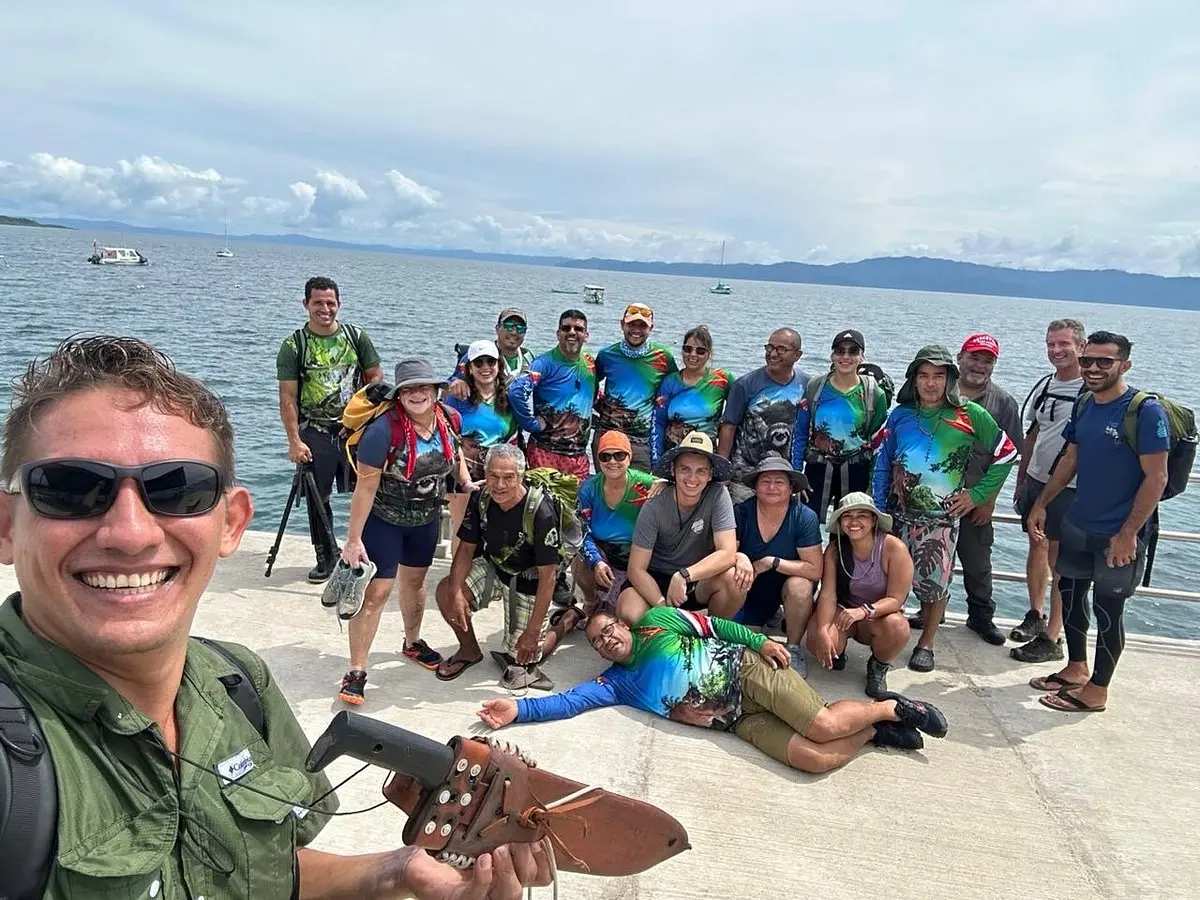
Welcome, Explorers! My name is Alberto — but you can call me Al — and this is the new Corcovado Explorers blog.
We created this space to share valuable insights about tourism in Costa Rica, especially in the South Pacific and the Osa Peninsula, the place we proudly call home.
Today, we introduce you to our greatest treasure: the Osa Peninsula. And I say “our” because we share it with the whole world — including you.
Located in the South Pacific of Costa Rica, the happiest country on Earth, the Osa Peninsula holds at least 2.5% of the world’s biodiversity. Its conservation is essential for the future of life on our planet.
Let’s begin by planting a seed of doubt: Have you ever experienced a tropical rainforest? We’ve lived in it since childhood, yet its magic still surprises us.
STORYTIME:
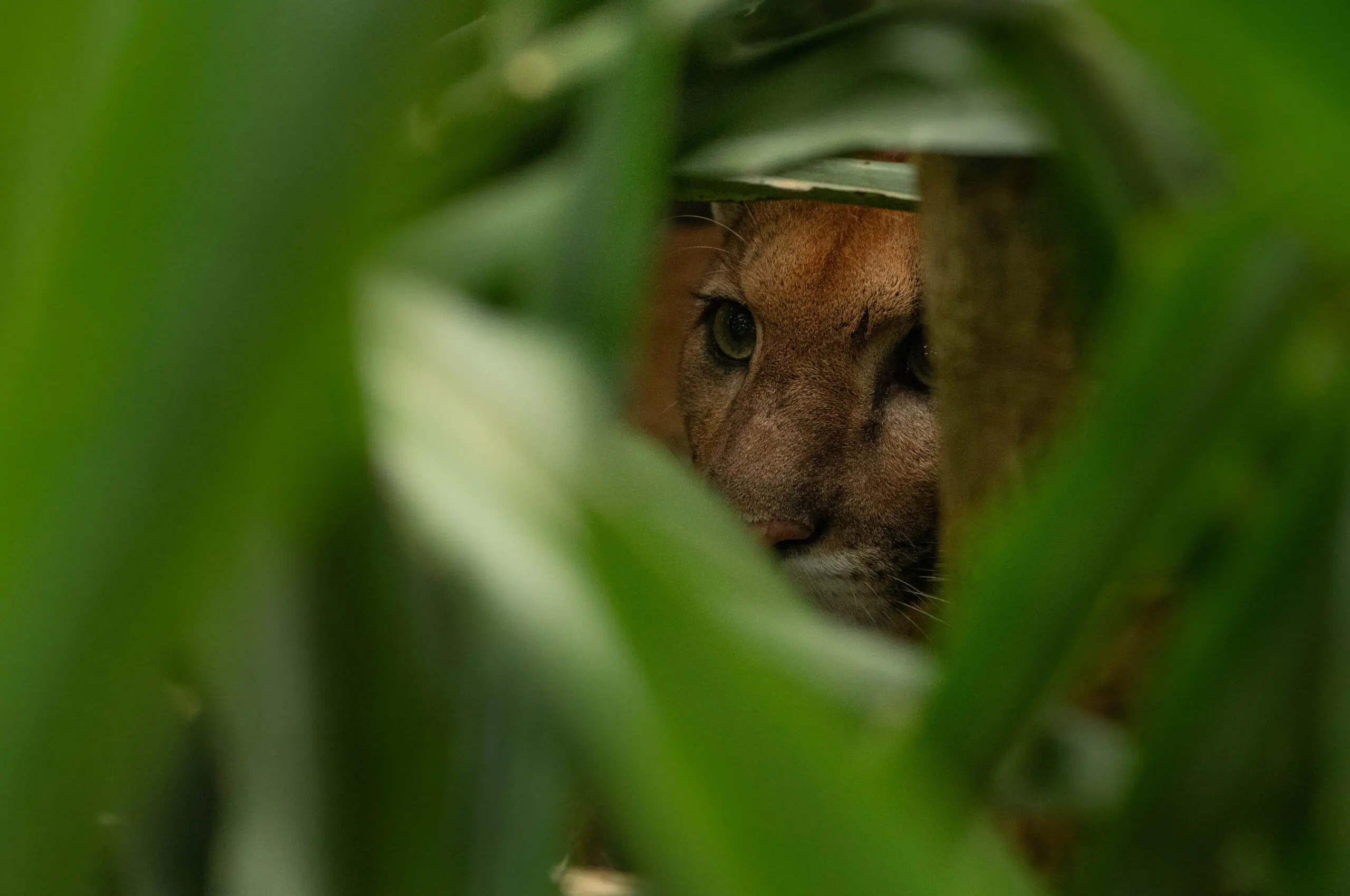
When I was 13 years old, riding my bike home from school, I suddenly noticed a strange smell around me. I had always heard the elders say, “it smells like a cat,” but I never imagined that a scent could fill the air before a feline appeared. And since this is Costa Rica — this was no house cat.
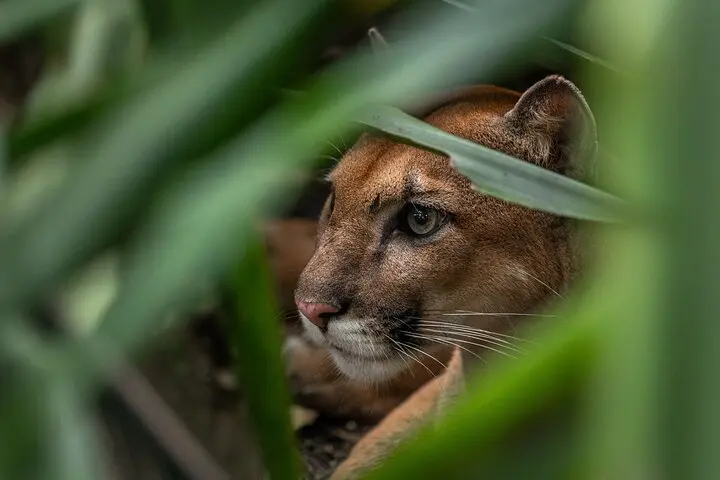
As I tried to understand the smell, a Puma crossed the street. We locked eyes for a moment before it continued on its way. That day, I learned how special this place is. I also realized that wildlife doesn’t understand borders — animals are not only inside Corcovado National Park; they're everywhere.
If this happened in my neighborhood, imagine what awaits in the pure heart of the rainforest.
Visiting the Osa Peninsula has its tricks, but nothing you can’t handle with the help of a local — and who better than me? A Golfo Dulce kid. Today, I’ll guide you through the main regions of the peninsula, how to reach them, and the best things to do in each magical corner.
The Osa Peninsula
This treasure of global biodiversity lies in southern Costa Rica, in the province of Puntarenas, and is made up of three main territories: Sierpe, Drake Bay, and Puerto Jiménez. Each offers its own specialties, landscapes, and adventures.The Osa is home to multiple ecosystems and microclimates — from lush tropical rainforest to mangroves, cloud forests, gallery forests, beaches, and wetlands — all contributing to its unique ecological richness.
Puerto Jiménez: Entrance to Corcovado National Park
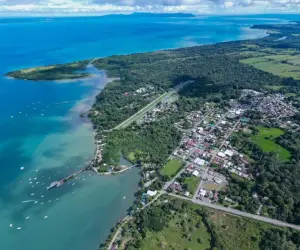
Located on the shores of Golfo Dulce, one of the world’s only four tropical fjords, Puerto Jiménez offers spectacular access to Corcovado's rainforests.
Once known for gold mining, today it thrives on ecotourism. The Gulf hosts one of the world’s longest humpback whale seasons (July–December), and whale sharks occasionally visit its warm waters.
How to get to Puerto Jiménez?
- Bus: Transportes Blanco Lobo offers routes from San José and several coastal towns.
- Car: Fully paved roads, 6–8 hours from San José, with scenic views and wildlife crossings.
- Flight: Sansa Airlines operates at least five daily flights — a 45-minute “teleportation” to paradise.
- Boat: From Golfito, cabotage boats run multiple times a day.
What to do in Puerto Jiménez?
Reserve your Corcovado National Park tour early — especially the iconic 3D/2N hike. Space is limited, and early bookings allow more personalized experiences.
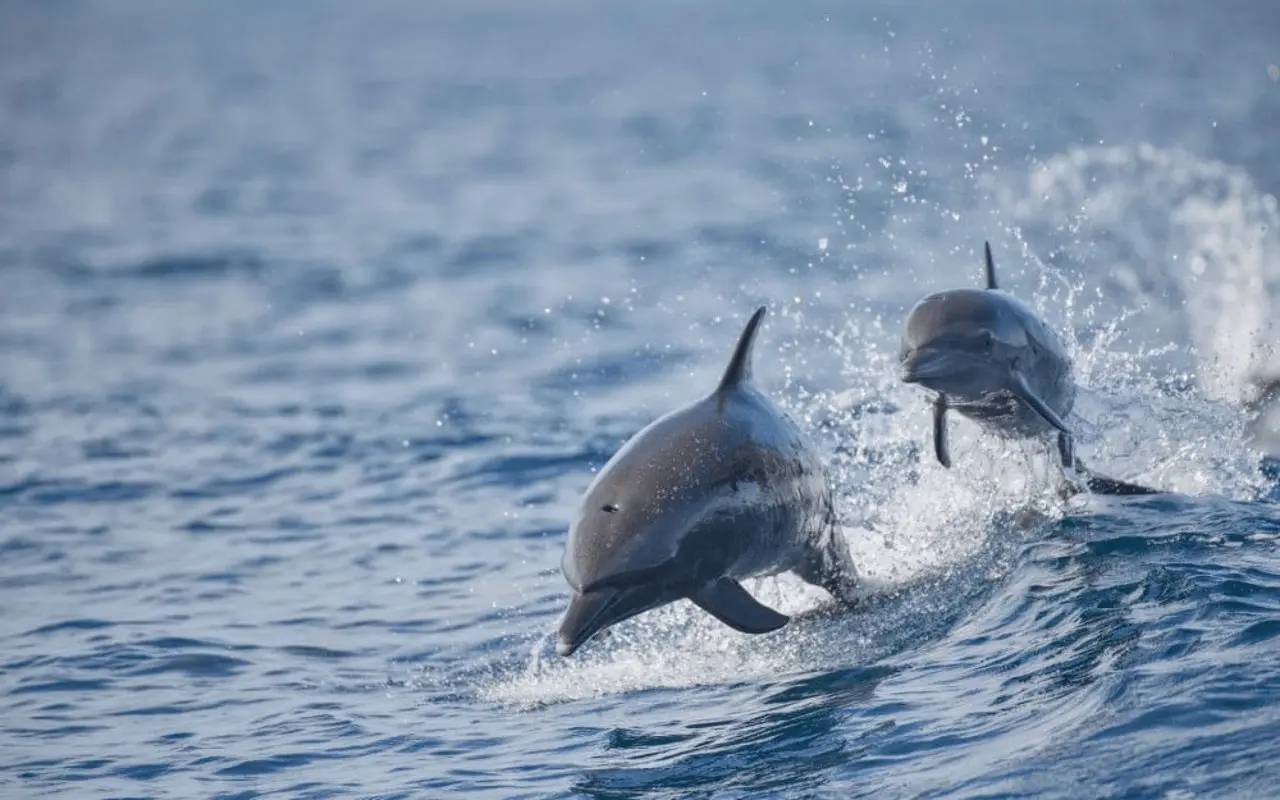
The Golfo Dulce is a marine paradise with dolphins, turtles, mangroves, manta rays, and bioluminescence. Activities include kayaking, snorkeling, and wildlife watching.
Puerto Jiménez also offers the widest range of lodging, restaurants, and services in the Osa Peninsula.
Sierpe: Wetland and Canal Paradise
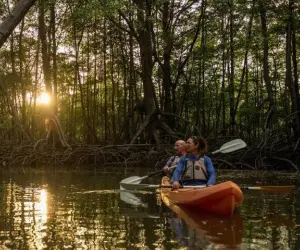
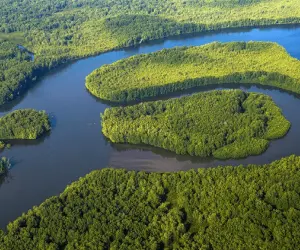
Sierpe is home to the largest mangrove reserve in Latin America, with stunning canals and rich biodiversity.
How to get to Sierpe?
By bus or car from Puerto Jiménez (45 minutes) or by boat from Golfito (1.5 hours).
What to do in Sierpe?
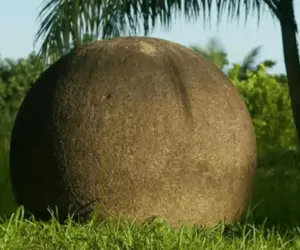
- Visit Finca 6 Museum, part of the UNESCO World Heritage stone spheres.
- Take a mangrove river tour — a scenic, educational immersion into one of the world’s most important ecosystems.
Drake Bay: The Best Diving in Costa Rica
A remote paradise with colorful beaches and jungle trails. Named after Sir Francis Drake, it offers incredible biodiversity and a peaceful atmosphere.
How to get to Drake Bay?
By bus + boat from Sierpe, by car through Rincón, or by domestic flight (the quickest option).
What to do in Drake Bay?
Visit Caño Island, Costa Rica’s second-best snorkeling and diving destination after Cocos Island.
Marine life includes turtles, dolphins, reef fish, barracudas, manta rays, and more. Drake Bay also offers pristine beaches, river activities, and access to Corcovado (San Pedrillo and Sirena).
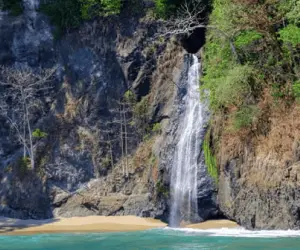
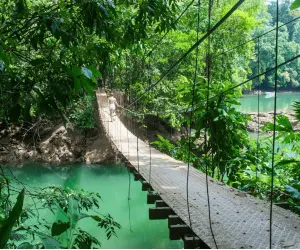
Without a doubt, the Osa Peninsula is a place I will never stop talking about — and it will never stop surprising me.
We hope this guide brings you closer to this paradise. If you need help planning your adventure, feel free to message us on WhatsApp for personalized assistance and tour bookings.
Don't forget to follow us on Instagram, YouTube, and TripAdvisor for more content and updates.
See you in the next explorer blog — and always remember to go out and explore.
— Al.